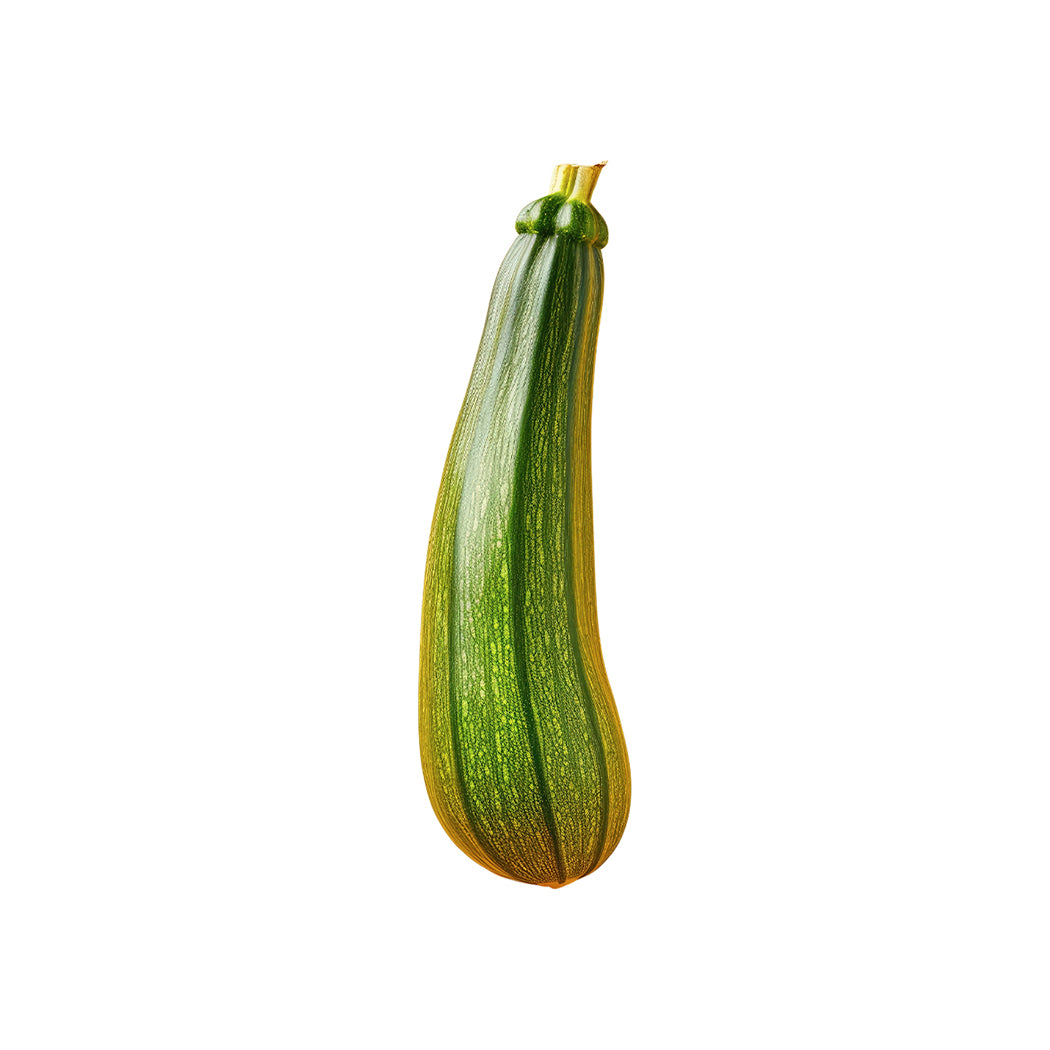
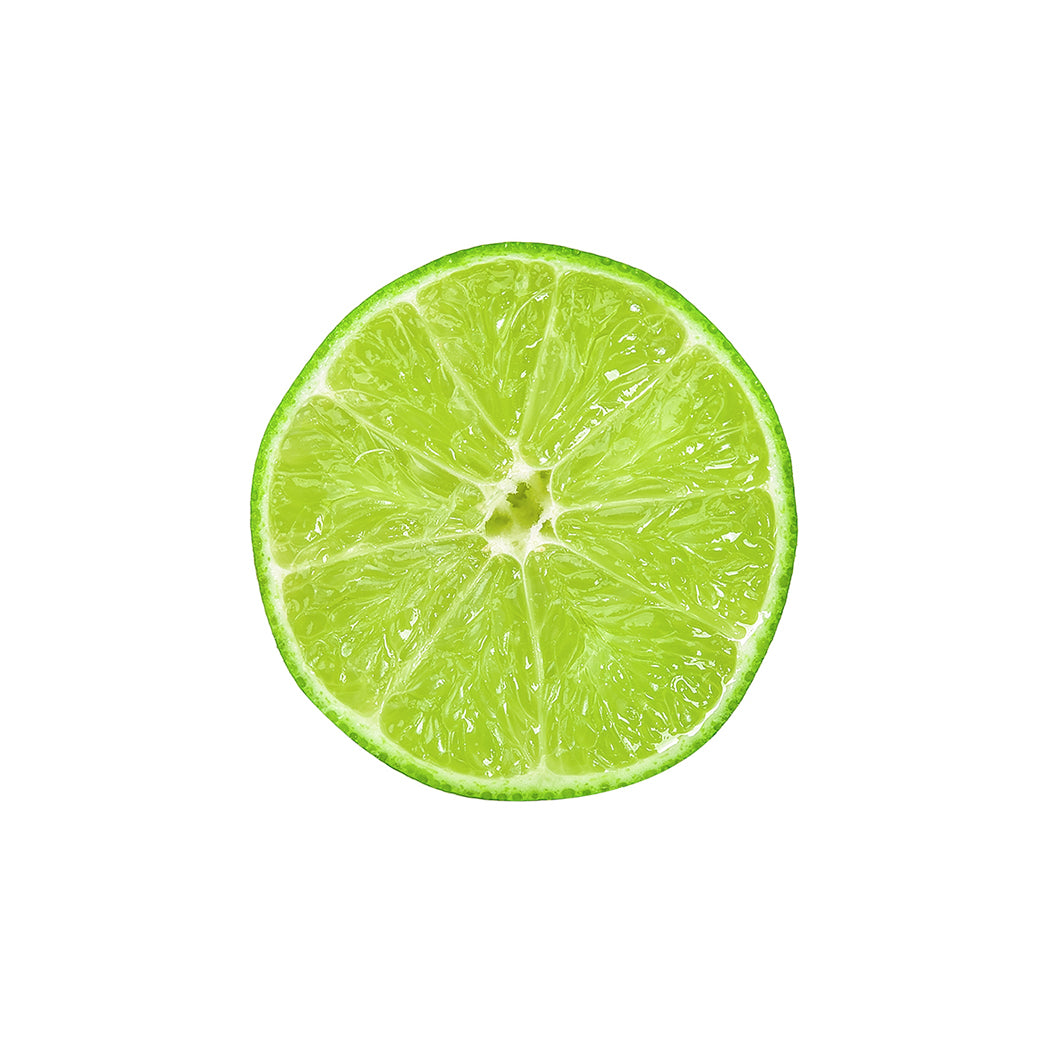
When it comes to maintaining a healthy diet, vegetables are an essential part of every meal. However, with so many options available at the grocery store, it can be overwhelming to choose the best vegetables for your needs. In this guide, we will provide you with valuable tips and insights to help you make informed decisions when buying vegetables.
1. Choose Fresh and Vibrant Colors
One of the first things to look for when buying vegetables is their color. Fresh vegetables should have vibrant, rich colors. For example, bright green broccoli or deep red tomatoes indicate freshness. Avoid vegetables that appear dull, discolored, or have blemishes.
2. Check for Firmness
Firmness is another important factor to consider. Gently squeeze the vegetables to check for firmness. They should feel solid and not mushy or soft. For example, a ripe avocado should yield slightly to pressure, while a soft one may be overripe.
3. Look for Fresh Leaves and Stems
If you're buying leafy vegetables or herbs, pay attention to the condition of the leaves and stems. They should be crisp and vibrant, without any signs of wilting or discoloration. Avoid vegetables with yellowing or slimy leaves.
4. Consider Seasonality
Seasonal vegetables are not only fresher but also more flavorful. Check for signs indicating the seasonality of the vegetables, such as local produce labels or signs in the store. Seasonal vegetables are often more affordable as well.
5. Organic vs. Conventional
Deciding between organic and conventional vegetables is a personal choice. Organic vegetables are grown without synthetic pesticides or fertilizers, while conventional vegetables may have been treated with these substances. Consider your preferences and budget when making this decision.
6. Read Labels and Packaging
When buying packaged vegetables, read the labels carefully. Look for information about the origin, expiration date, and any additional ingredients or preservatives. Avoid vegetables with added sugars, sodium, or artificial additives.
7. Buy Local and Support Farmers
Supporting local farmers not only benefits the community but also ensures that you're getting fresh, high-quality vegetables. Look for farmers' markets or grocery stores that prioritize local produce. Local vegetables often have a shorter supply chain, reducing the time between harvest and consumption.
8. Plan Ahead and Avoid Overbuying
Before heading to the grocery store, make a list of the vegetables you need for your meals. This will help you avoid overbuying and reduce food waste. Plan your meals for the week and buy only the necessary quantities of each vegetable.
9. Store Vegetables Properly
Once you've bought your vegetables, it's important to store them properly to maintain their freshness. Some vegetables, like tomatoes and avocados, should be stored at room temperature, while others, like leafy greens, should be refrigerated. Refer to specific storage guidelines for each vegetable to maximize their shelf life.
10. Experiment with New Vegetables
Don't be afraid to try new vegetables and expand your culinary horizons. Explore the produce section and pick up a vegetable you've never tried before. You might discover a new favorite and add variety to your diet.
By following these guidelines, you can confidently navigate the grocery store and choose the best vegetables for your health and culinary needs. Remember, fresh, vibrant, and seasonal vegetables are the key to a nutritious and delicious diet.